
17 Aug 2023
A second chance in life for Fred
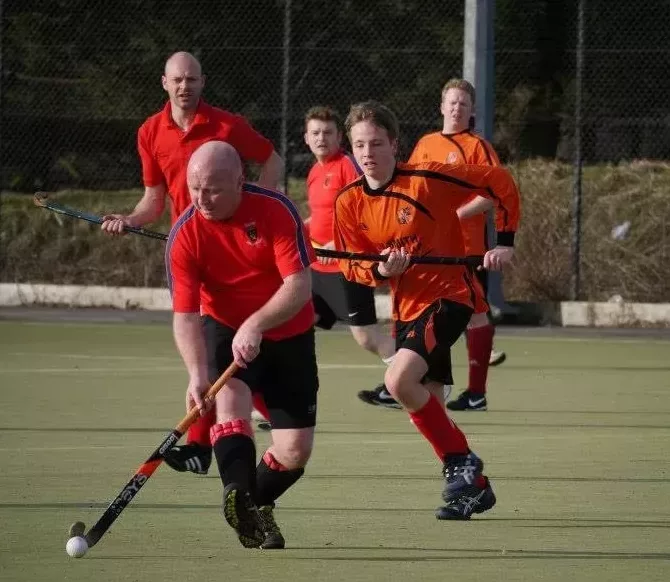 Forty years as a hockey player, coach and manager, and 17 years as a keen runner, meant Fred Dick was used to leading a super fit and active life. But in the summer of 2017 the 52-year-old oil industry worker, who is married to wife Elizabeth and has one son, Findlay, noticed something had changed. He found himself having to stop for breath when he was out jogging. And then Fred started to have to take breaks as he was breathless even when he was just walking. So he decided it was time to see a doctor.
“I made an appointment with my GP who at first thought I had a chest infection,” said Fred, now 58, who lives in Peterhead, Aberdeenshire. “After a course of antibiotics, my breathing didn’t improve, so my GP sent me for an X-ray. This showed a large mass in my chest cavity near my heart which the consultant initially reckoned was a cancer of sorts. A first biopsy came back inconclusive, so a second more intrusive biopsy deep in my chest was booked. By that time my breathing deteriorated so much that I could not walk a short distance without taking a breather. I also developed heavy night sweats, which left my bed sheets soaking.”
The second biopsy showed that Fred had approximately 1.5 litres of fluid in his chest cavity, pushing against his lungs. In August 2017 he was also given devastating diagnosis that at the age of 52 he had acute lymphoblastic leukaemia (ALL). ALL is most prevalent in the under-25s. Fred was told he had a 50/50 chance of survival, with very few statistics for his age group.
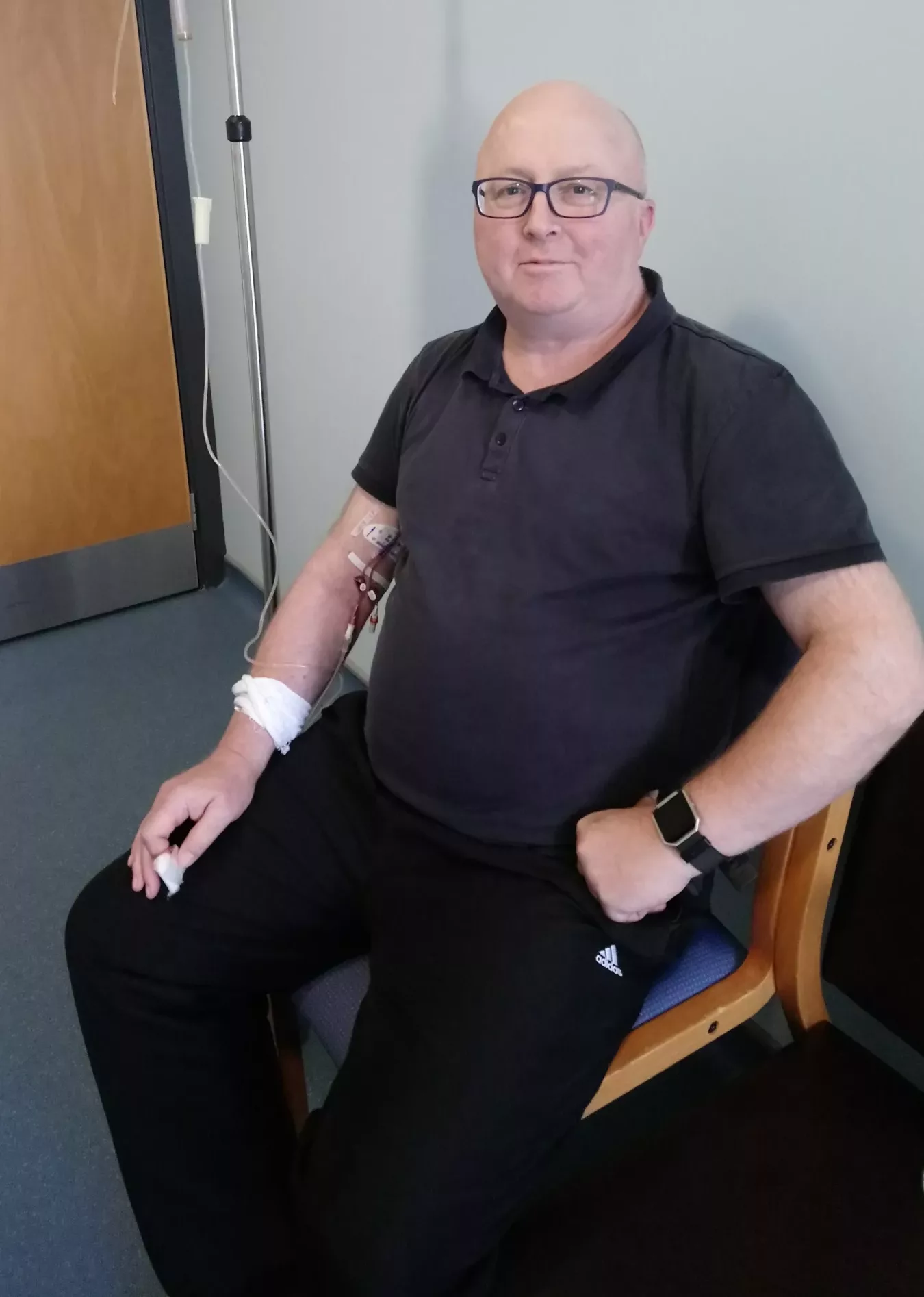
“I was told I needed a bone marrow transplant after intense chemo,” said Fred. “Fortunately there were four donors lined up that were close matches. But incredibly, after three months of chemo I was told the cancer had gone and that the transplant was cancelled as I was in remission. The plan was changed to more intense chemo for six months then maintenance chemo for two years.”
The chemotherapy was very gruelling for Fred. At one point he had a seizure caused by two bleeds to the brain – but fortunately recovered.
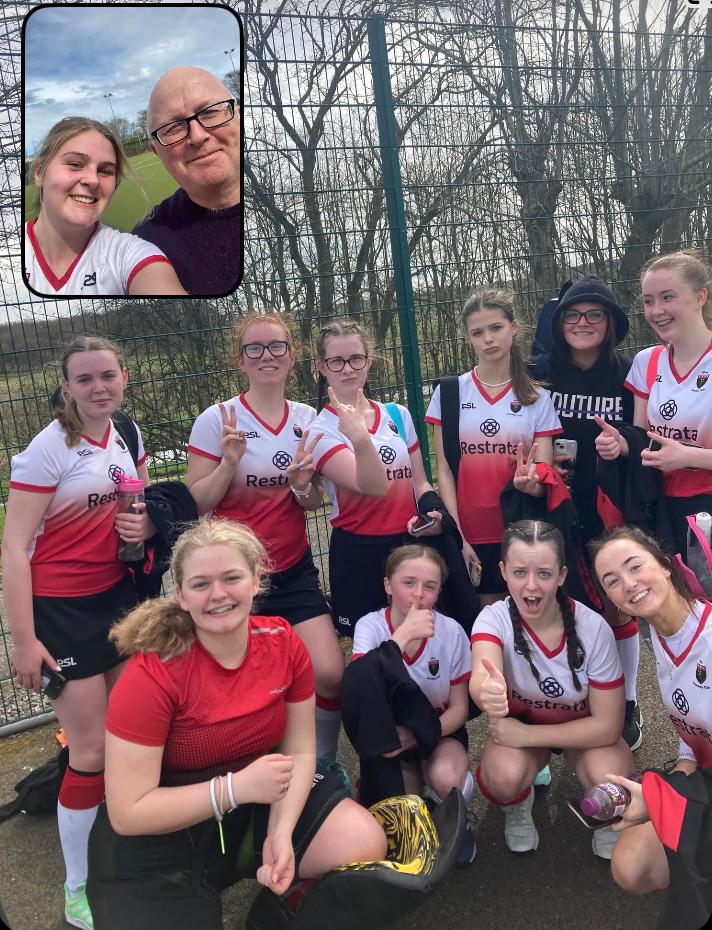
“During this extremely worrying time I received tremendous support from family, friends, work mates, hockey friends and Ellon Hockey Club,” said Fred. “I also found trying to stay positive and doing gentle exercise helped. Meditation was a huge help for me to try and relax and get a good night’s sleep.”
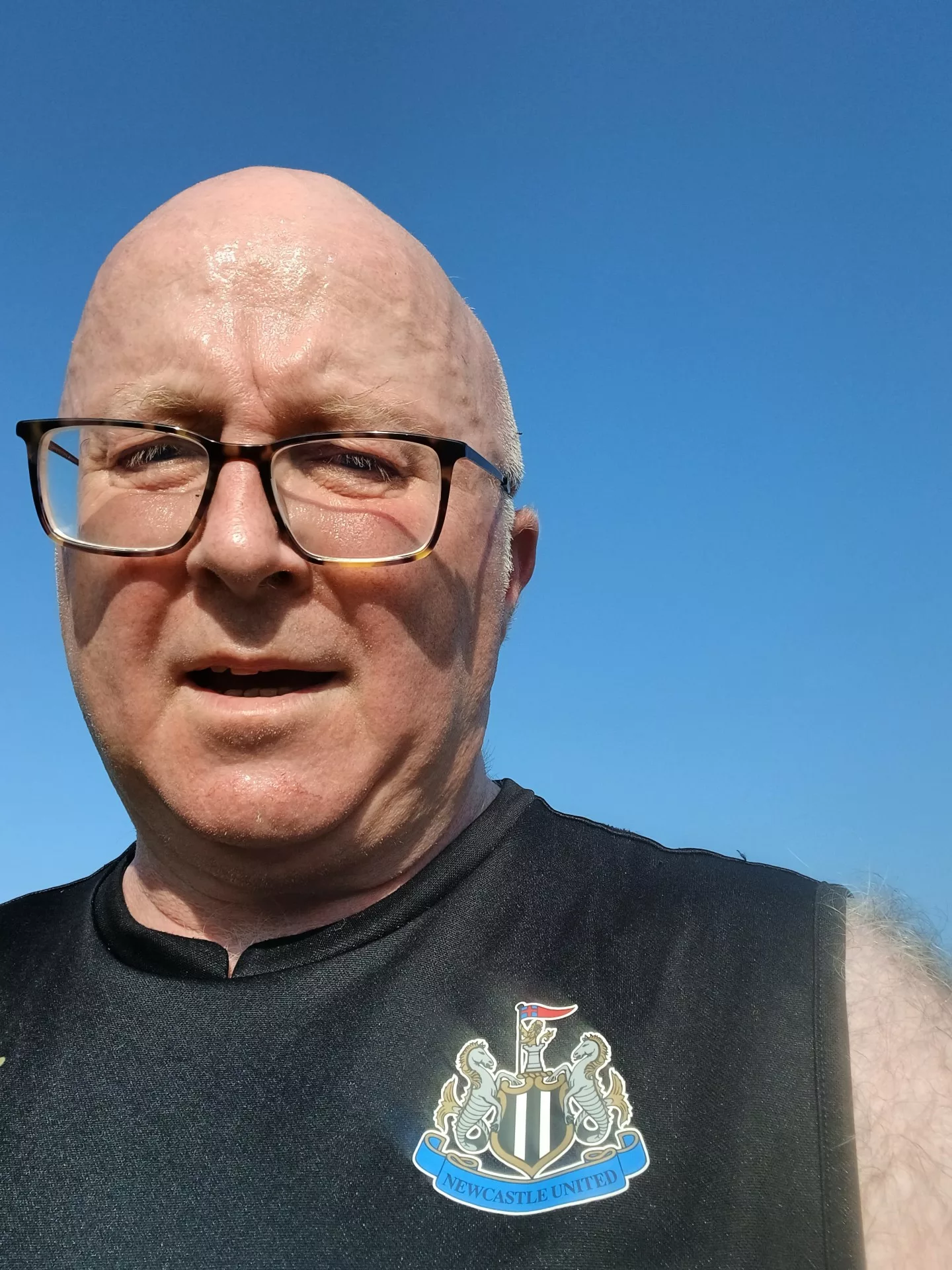 But eventually the treatment was over, and Fred was soon back to enjoying hockey and running, and thankfully he has stayed in remission.
“I have been off chemo for three years now, am still in remission and have been discharged from haematology,” said Fred. “I feel like I have a second chance in life. I am back to coaching hockey and going for relaxing runs and enjoying life taking one day at a time. Getting back to work was a large factor in my recovery as I was signed off during the intense chemo. Getting back to a normal lifestyle made a difference. A huge thanks to the brilliant NHS staff and the charities Friends of Anchor and CLAN Cancer Support who looked after me and my family during the past six years.”
Read about the signs and symptoms of leukaemia.
Related posts
4 June 2022
Leukaemia UK is looking for volunteers for their Patient Experience Advisory Panel
Leukaemia UK is committed to championing advancements in better treatments and care for all. We want to ensure the needs of patients are at the heart of everything we do, and that the voices of people affected by leukaemia and related conditions are being heard. That is why we are setting up a Patient Experience Advisory Panel.
4 April 2022
Leukaemia UK launches search for five new talented Trustees
We are looking for a talented and diverse set of Trustees to join our Board, and help guide the charity as we embark on an ambitious new strategy to accelerate progress in leukaemia research to stop leukaemia devastating lives.
11 January 2019
Lymphoma: Understanding relapse and treatment resistance
Dr Dinis Calado, The Francis Crick Institute and Project Grant Holder
10 January 2023
Clinical trial begins for pioneering new cancer treatment
Dr Konstantinos Tzelepis was awarded a Leukaemia UK research fellowship in 2020 and has developed a new class of cancer drug with the potential to treat leukaemia.