

31 May 2023
Identifying ‘ultra-high risk’ blood cancer patients
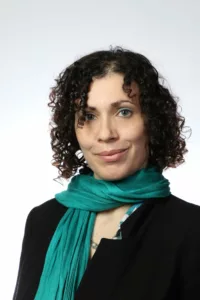
Meet the researcher: Sonia Wolf
Adult T-cell leukaemia/lymphoma (ATL) is a rare type of blood cancer and the subject of Consultant Haematologist, Sonia Wolf’s jointly funded Medical Research Council (MRC) and Leukaemia UK Clinical Research Fellowship, which she completed last year. Sonia tells us about identifying people at high risk of ATL, plans to test a drug with potential to prevent this type of cancer, as well as some snippets into her life outside of work.
Could you tell us a little bit about your career so far?
I’m a Haematologist with a long-standing standing interest in the interaction between viruses and cancer. When I heard about the work done at the National Centre for Human Retrovirology (NCHR) I was so excited I couldn’t sleep!
NCHR is the largest centre in Europe caring for people living with a virus called Human T-cell leukaemia virus type 1 (HTLV-1), and consists of an amazing team of doctors, scientists, nurses and other healthcare professionals. It combines patient care and clinical research in a really hands-on way, in order to provide the best evidence-based care available, and people come from all over the UK and beyond to be seen there.
I immediately wanted to join the team and luckily, thanks to Leukaemia UK and the MRC, we were able to secure funding for my research. As a Clinical Training Research fellow, I was fully supported by my supervisors, Professor Graham Taylor, Dr Aileen Rowan and Dr Lucy Cook, as well as both MRC and Leukaemia UK, in not only undertaking the research but also developing my career as a scientist.
What is ATL and why is research needed in this area?
Adult T-cell leukaemia/lymphoma (ATL) is a rare blood cancer caused by HTLV-1. The virus is most common in places like the Caribbean, West Africa and Japan and because of this global distribution, is considered a neglected disease. Only around 5% of people who carry the virus will get the cancer, but for those that do, survival is very poor. It’s really important to try to identify that 5% in order to target new interventions and treatments that could prevent them getting ATL.
What were some of the key findings of your research?
In my work, I identified a new method that could identify high-risk carriers of HTLV-1. This method, which uses flow cytometry, is cheaper and quicker than previously available methods, and has now been included in our clinical practice at NCHR. I was also able to do molecular screening which showed that even though these people are currently well, some of them do have genetic and transcriptomic (how genes are expressed) changes similar to those seen in ATL. We call these patients “ultra-high risk” and have put in place extra monitoring and testing for them in order to pick up cancer early. We are also currently in the process of setting up a multi-centre trial where we treat these patients with a drug to try to stop them developing ATL.
What are you working on at the moment?
Since I finished my research, I have moved back into clinical practice with a bit of change of direction! I am working as a Consultant at NHS Blood and Transplant and Barts Health NHS Trust. I specialise in blood transfusion and haemoglobinopathies, which are blood disorders including things like sickle cell disease. I fully intend to keep my research going, with a particular focus on genetics and improving care for another much under-resourced area.
How do you spend your time outside of work?
Outside work, I’m mostly busy with my two young children but I do enjoy travelling and was recently lucky enough to go to New Orleans to present our work at the American Society of Haematology meeting as well as sampling some of the local culture! This involved a jazz night, some ‘po-boys’ (a local fried sandwich) and many new friends from around the world.
Related posts
6 February 2012
Blood cancer: Top tips for keeping mentally healthy
Keeping mentally healthy when you have a blood cancer can be challenging, but there are lots of things you can do to help keep yourself psychologically well. Here, the Leukaemia UK Mind & Body team share top tips they offer to the patients they support
4 August 2020
Our life-saving work must continue
Leukaemia and other blood cancers don’t stop for coronavirus (COVID-19) and our vital research and care must continue
21 April 2023
Trailblazing research project announced to exploit novel weaknesses in one of the least survivable cancers
A pioneering new study hopes to accelerate progress towards a new treatment for acute myeloid leukaemia (AML) in research announced today on World AML Day by Leukaemia UK. University of…
7 November 2022
Leukaemia UK appoints Ian McCafferty CBE as their new Chair of Trustees to support new strategy to stop leukaemia devastating lives
Ian McCafferty CBE will take up the role in January 2023, from current Chair of Trustees, Chris Corbin OBE, and will lead the charity as it continues to grow. Chris…