
15 May 2023
BSH 2023: Blood cancer from the patient’s perspective, the need to address inequalities, and why research matters
Last month, the Research & Advocacy team at Leukaemia UK attended the British Society for Haematology’s (BSH) annual conference in Birmingham. This was a great opportunity for Leukaemia UK to engage with industry experts, healthcare professionals, and other blood cancer charities.
Over the course of the three-day event, we attended a range of different talks, abstract discussions, and poster presentations. We’ve highlighted three themes from this year’s conference: the unique experience of blood cancer patients, inequalities in treatment, and the importance of research – and have delved into some of our key takeaways from the event.
The unique experiences facing blood cancer patients
A clear takeaway from this year’s conference was how each blood cancer patient faces unique challenges when receiving their diagnosis, treatment, and care. We heard from the perspectives of blood cancer patients across the life course, including a young adult receiving treatment for leukaemia, to a specialist myeloma haematologist who received his own diagnosis during his working life.
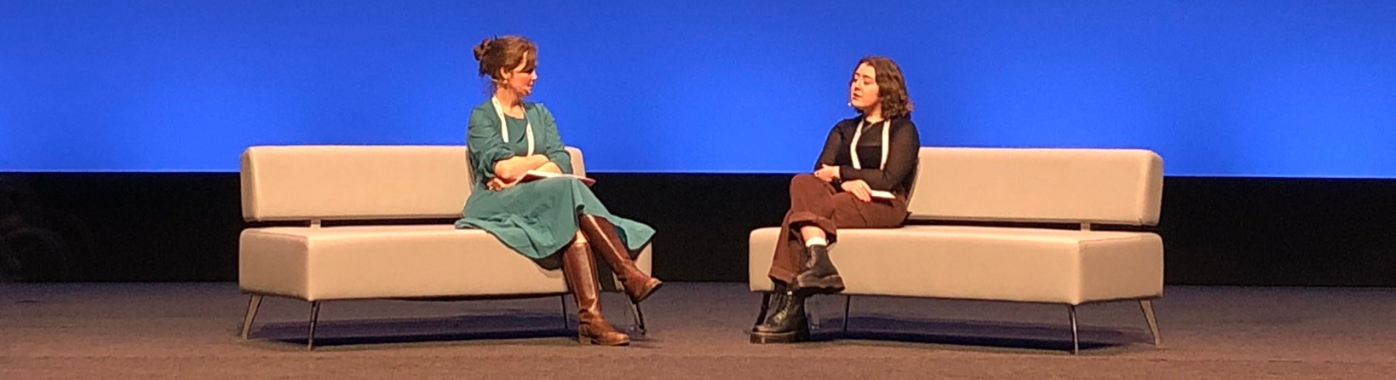
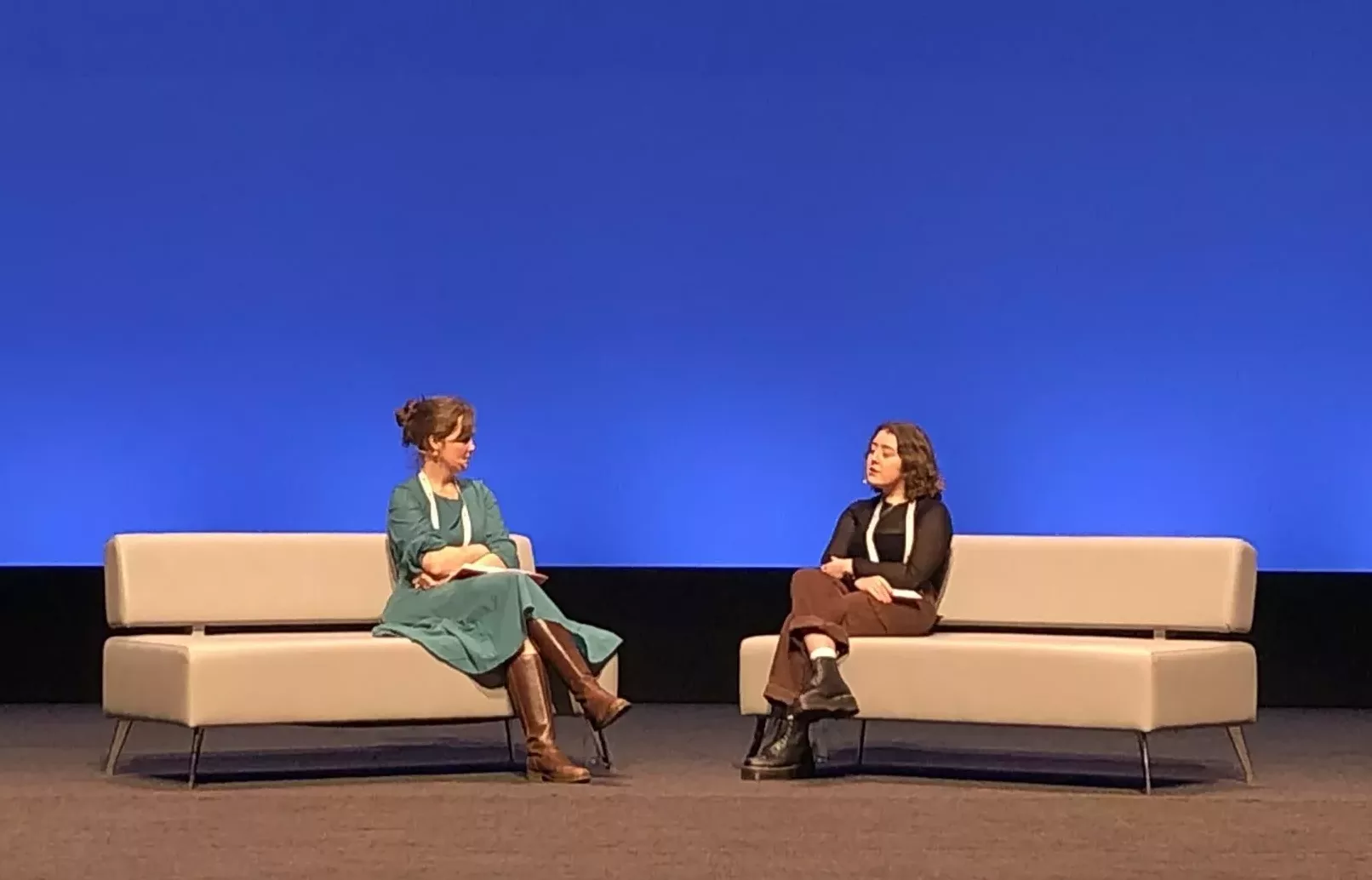
Chloe Rouse, an acute lymphocytic leukaemia (ALL) patient, discussed her experiences of receiving a diagnosis as a child and then subsequently as a teenager after she relapsed seven years later. Speaking with her haematologist at the event (Dr Lindsay George), Chloe discussed the differences between being treated as a paediatric patient and as a teenage and young adult (TYA) cancer patient.
Peer-to-peer support can be beneficial for TYA patients
While TYA patients face a number of psychosocial challenges, Chloe highlighted that as a TYA patient, she received tailored information specific to her cancer care that enabled her to have a better understanding. She also acknowledged that peer-to-peer support and communication has been vital during her second treatment phase.
Looking at the experiences of older adults, Dr Salim Shafeek spoke about receiving a myeloma diagnosis while treating myeloma patients as a haematologist. “My illness made me a better doctor and human being,” argued Dr Shafeek, who said his own blood cancer experiences allowed him to engage with his patients better once he was back at work.
“My illness made me a better doctor and human being.”
Going from the haematologist to the patient also meant he had to take on board advice from his very own patients, who helped him enormously on his cancer journey. Through his experiences, Dr Shafeek helped to establish the Worcestershire & Herefordshire Myeloma Support Group with Myeloma UK.
Addressing inequalities in blood cancer treatment and care
Highlighting inequalities in blood cancer diagnosis and treatment was also a key topic at this year’s conference. In collaboration with the University of Hertfordshire, the Blood Cancer Alliance (BCA) produced and showcased a poster revealing the barriers facing Black and minority ethnic blood cancer patients. Their research finds that blood cancer patients from minority ethnic backgrounds reported poorer experiences of care compared to patients from White backgrounds. Patients from minority ethnic backgrounds reported poorer experiences in relation to:
- Overall blood cancer care
- Waiting times
- Understanding their health condition
- Involvement in health decision making
- Aspects of personalised care
Given these constraints, better consideration of ethnicity and culture in treatment has been highlighted as an important part of providing patient-centred care. BCA acknowledges that more research with patients from distinct minority ethnic communities is needed to understand these disparities further, and to help support the co-production of actions aimed at narrowing the care experience gap.
The importance of research
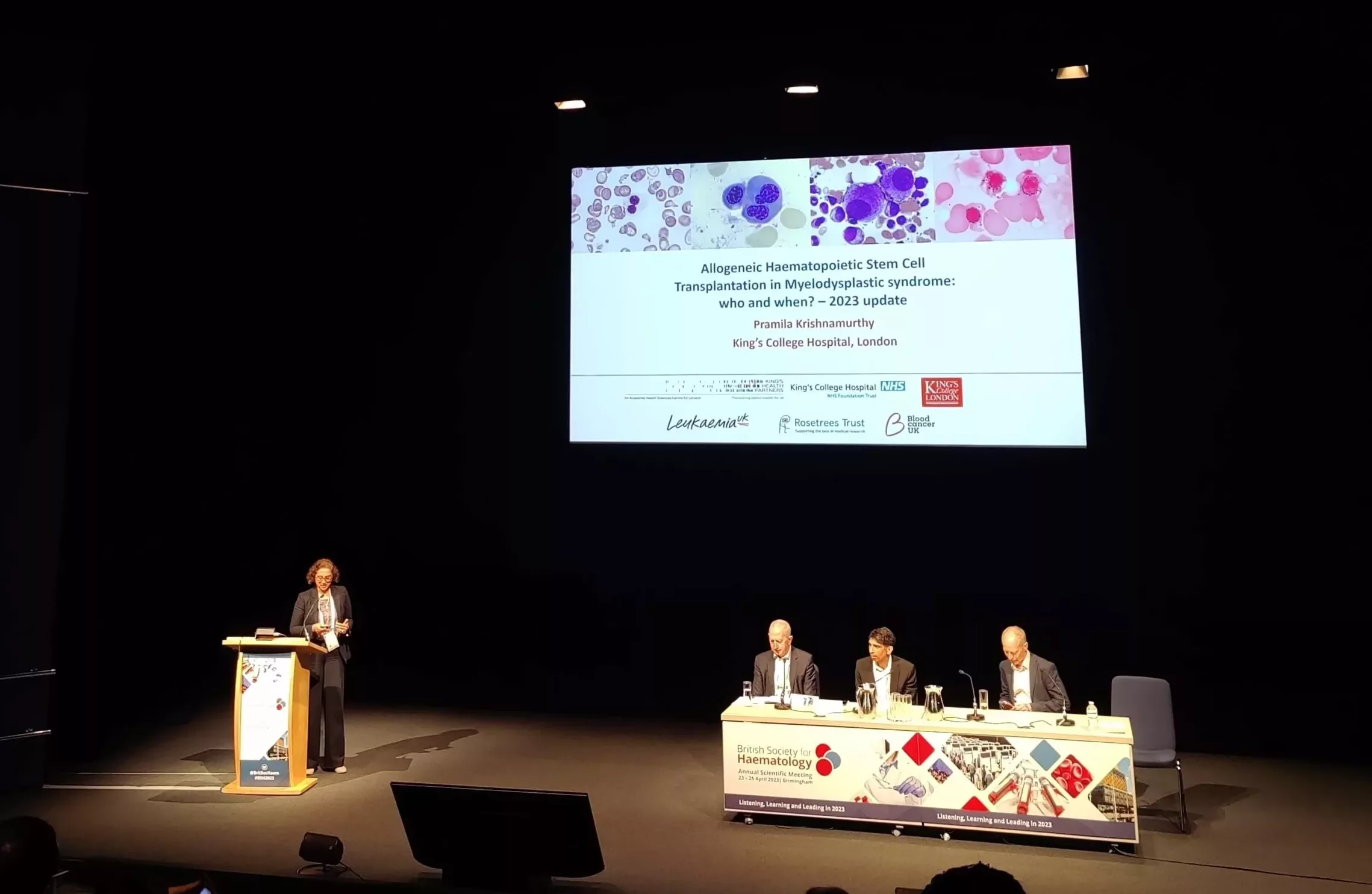
On the final day Leukaemia UK’s very own John Goldman Fellow, Dr Pramila Krishnamurthy, delivered an excellent presentation on the benefits of using stem cell transplants for patients with myelodysplastic syndromes (MDS). Dr Krishnamurthy’s presentation provided a comprehensive overview of who and when to transplant – highlighting the patient, disease and donor factors that need to be taken into account. The presentation also shed light on predicting and preventing relapse and the challenges to consider along the way.
By listening to the needs of patients, addressing inequalities in diagnosis and treatment, and pioneering blood cancer research, there is a real opportunity to improve the lives of people affected by leukaemia. The 2023 BSH conference provided Leukaemia UK with a fantastic chance to strengthen its values of being curious, collaborative, and bold: we listened to the experts, engaged with fellow charities, and have come away with a better understanding of the current themes across haematology that can be used to accelerate leukaemia research and strengthen our policy goals.
Patrick Swain, Leukaemia UK’s Policy & Advocacy Manager
Related posts
15 February 2024
Vogue model who survived leukaemia as a child joins Leukaemia UK in calling for more donations for research to stop blood cancer ‘destroying childhoods’
Vogue model Saffron Vadher has joined Leukaemia UK on International Childhood Cancer Day (February 15th) in calling for more research into the blood cancer. Leukaemia is the most common type…
3 July 2025
Together we are changing lives – Here’s how your support is making it happen
At this point in our advocacy journey, we wanted to share an update to you, our supporters, on everything we’ve achieved so far and what’s next as we continue to…
11 January 2019
Myelofibrosis: Finding new ways to treat patients
Dr Edwin Chen, University of Leeds and John Goldman Fellow
19 December 2023
Beloved actor who beat leukaemia now fronting charity TV ad to help raise vital funds
83-year-old actor Richard Tate will appear on screens from 26th December onwards to support Leukaemia UK’s call for legacy pledges (otherwise known as gifts in Wills), after surviving leukaemia thanks…