
09 Jan 2023
One step at a time, one breath at a time and one day at a time: Tracey’s AML story
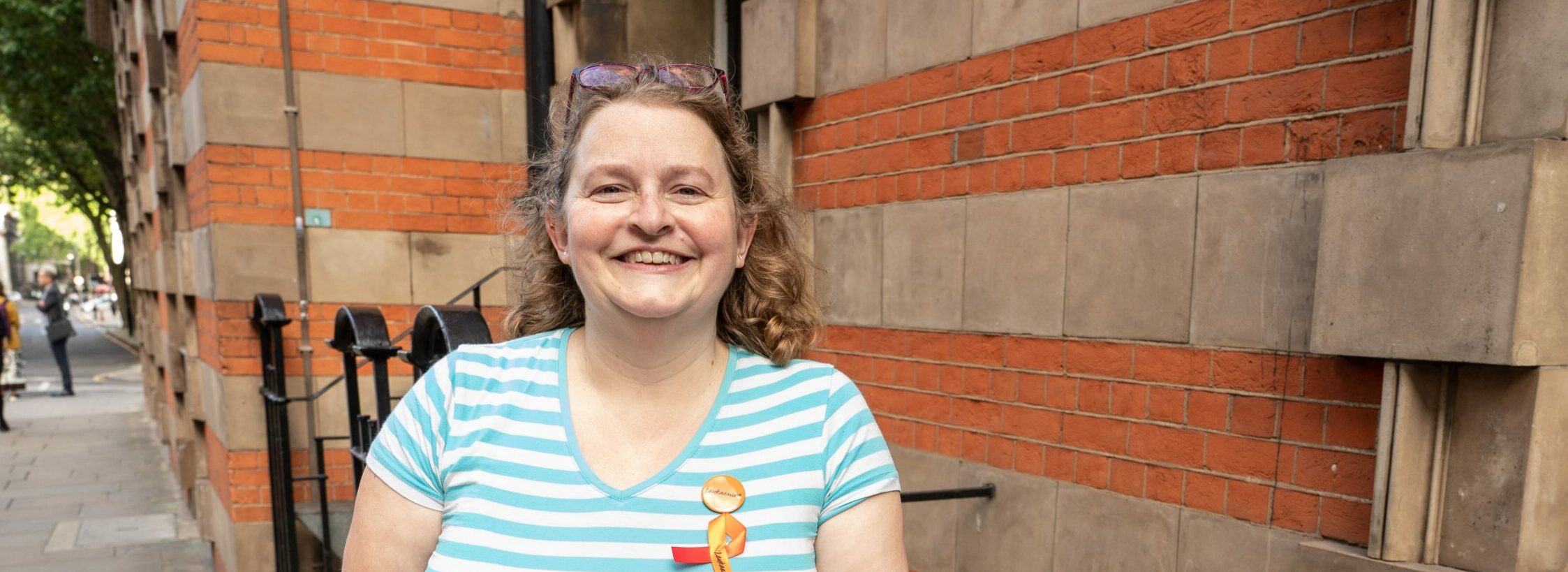
Tracey spoke to Leukaemia UK to raise awareness of the signs and symptoms of leukaemia and the importance of getting diagnosed as early as possible.
Leukaemia UK’s ongoing research is looking into how to develop kinder and more effective treatments for patients like Tracey. For example, Dr Konstantinos Tzelepis’ recent research into the inhibiting the action of a protein called METTL3, which is now starting clinical trials to see if it could become a vital new treatment for patients with acute myeloid leukaemia (AML).
Here’s Tracey’s story….
Tracey Palmer-Hole first saw her GP when she experienced a few weeks of mysterious pain in her bones. Tracey, 43, was initially told she had rheumatoid arthritis from her blood test results. But the medication she was prescribed didn’t make any improvement in the four months of taking it.
Tracey, who works as a Learning and Development Manager, then went away on a business trip.
“I was just exhausted all the time and had bruises appear and mouth ulcers which I couldn’t explain. I suddenly had a very heavy period and found I was out of breath just talking or walking up a hill,” she said. “Then I fainted a few times when I got back home which had never happened to me before. My GP told me to go to A&E where I fainted again.”
She arrived at about 5.30pm on a Monday evening and fainted again while in triage. The hospital took blood tests, heart checks and did further tests. Tracey was admitted to a general ward at around 1am, while they waited for the results.
On the Tuesday morning Tracey was told that she had Acute Myeloid Leukaemia (AML). She was moved to a cancer ward, and had more blood tests and a bone marrow biopsy to confirm AML. Tracey was offered a research drug trial, and started her chemotherapy ten days after her diagnosis.
 Tracey started keeping a daily journal, recording not only what she ate and drank and what tests she had, but putting positive messages to herself such as ‘You got this’, ‘I have cancer, cancer doesn’t have me!’ and ‘One step at a time, one breath at a time and one day at a time’.
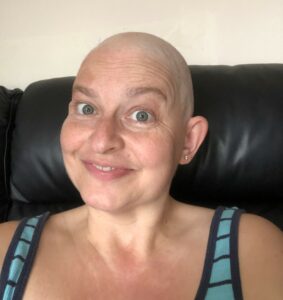
When her hair was falling out, she decided to shave it off, a decision she said helped her feel in control rather than the cancer.
Tracey had four rounds of chemotherapy and was in hospital across six months, with week breaks at home in between treatments. She is now in remission, with no ongoing medication, is seen every three months at Royal Berkshire hospital, Reading, and has a bone marrow biopsy every year.
Tracey added:
“It was extremely hard. It changed my outlook on life. It changed relationships with people, some good, some not so good. I decided that I needed to limit the number of people visiting me in hospital. Firstly to save my strength and focus on fighting cancer. Secondly not to feel like everyone would feel sorry for me. I didn’t need that. I needed to focus on kicking cancer and not dealing with how others were feeling which is not like me. This was hard for a lot of people, as some of them made it all about themselves and I couldn’t deal with that at the time. My hospital team were and still are amazing as is my husband, Mum, family and friends.”
“I want to share my story with people to show that leukaemia often presents itself in subtle ways over a long period of time,” says Tracey. “Get it checked out. If you aren’t happy with the first person you saw, ask someone else to check. The GP’s can’t know everything about everything.”
Find out more about the signs and symptoms of leukaemia.
Want to read more about others who have been diagnosed with leukaemia? Read Sinead’s story about her diagnosis.
Related posts
11 January 2019
Lymphoma: Understanding relapse and treatment resistance
Dr Dinis Calado, The Francis Crick Institute and Project Grant Holder
1 August 2022
Pedalling pair’s crazy peaks challenge to stop leukaemia cutting short the lives of beloved mums
Leukaemia UK supporter, Alistair, who lost is mum to leukaemia less than a year ago, is setting out on an extreme fundraising challenge. Alistair, who is from Lincoln, and his…
18 May 2022
World Blood Cancer Day interview with Dr Pramila Krishnamurthy
On 28th May the global blood cancer community comes together to mark World Blood Cancer Day, this campaign calls for support of those with blood cancer and encourages people to become stem cell donors.
19 August 2022
Leukaemia Care and Leukaemia UK announce financial support collaboration
Leukaemia Care and Leukaemia UK are pleased to announce a collaboration to provide financial support to people affected by leukaemia, through the financial hardship fund. Leukaemia Care have provided 364…